By Terry Gorney Lehman, IPA Board Member
Gene Stratton-Porter loved the vocalizations of the frogs in spring. In an article, Gene wrote, “The music of spring begins down in the marsh with the frogs.” I could not agree more. The frogs are the earliest singers and can begin in February but in May they are in full chorus, which is an amazing sound. In her book Friends in Feathers a book that Gene wrote about the birding experiences in Geneva, she stated “…..while all May was in each intoxicating breath of spring.” She was referring to all the sounds of spring.
Gene would be happy to know that the gray treefrogs that she mentioned in Moths of the Limberlost still call the Limberlost Cabin’s yard, at Limberlost State Historic Site, home. They have been very vocal this year.
In March 2011, I became certified by Frog Watch USA through the Fort Wayne Children’s Zoo Frog Watch Chapter. I knew that I had several species of frogs on my suburban pond in Fort Wayne, located in the Maumee River watershed.
I reported hearing northern cricket frogs along the Wabash River in Geneva in 2012 to the volunteer coordinator for Frog Watch. She asked if I would document the northern cricket frogs, as they have been in steep decline. For six years from 2014-2019, I conducted a Frog Watch at Rainbow Bend (part of the Limberlost Conservation Area) which has the Wabash River flowing through it plus a small pond of water. Frog Watch was pleased to know of the northern cricket frog population in southern Adams County.
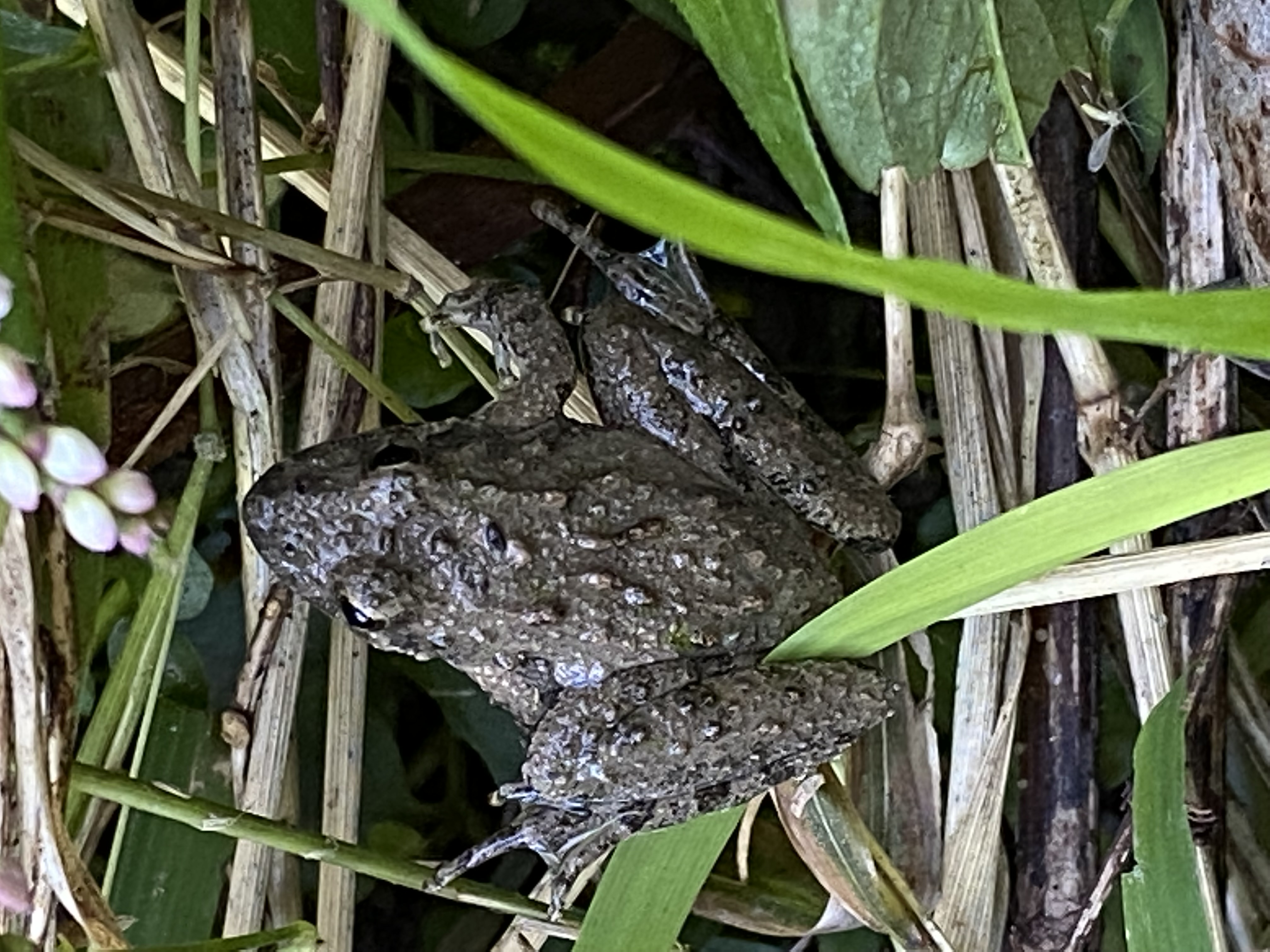
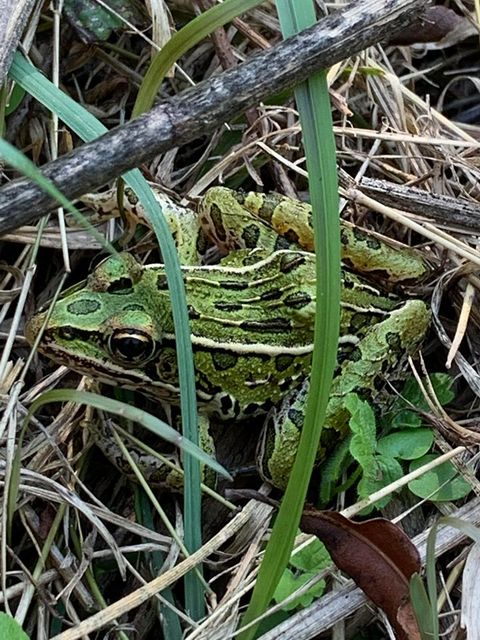
Frog species that I have heard at Limberlost include spring peeper, chorus frog, eastern gray treefrog, wood frog, American toad, Fowler’s toad, green frog, northern leopard frog, and the northerns cricket frog.
Since the restoration of the Limberlost Conservation Area began in 1996 with the first land purchase, frog populations have increased, especially the northern leopard frog and the northern cricket frog which are both species of special concern in Indiana. It can be deafening on a spring evening when in full chorus. The Limberlost Conservation Area now has around 1800 acres of restored wetlands which has created great frog habitat. This spring I was pleased to hear chorus frogs in the ten acres of land that the Friends of the Limberlost purchased a few years ago and restored to wetlands as part of the Loblolly Marsh Nature Preserve.